 USA
Country
USA
Country
Watch the trailer before exploring full movie details
The Green Mile - Movie Crew Info
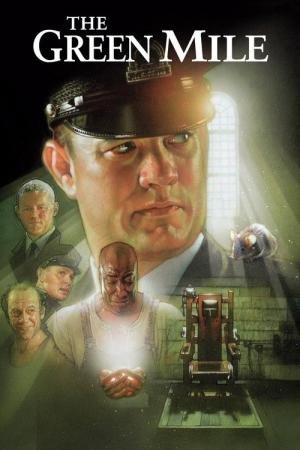
Set during the Great Depression, "The Green Mile" follows the story of Paul Edgecomb, a death row prison guard at Cold Mountain Penitentiary. The guards in charge of the death row, known as "The Green Mile" because of the color of the floor leading to the electric chair, maintain strict routines as they prepare inmates for their final moments. Paul, played by Tom Hanks, is a compassionate man who struggles with the harsh realities of his job.
The arrival of a new inmate, John Coffey, changes everything. John is a massive, gentle African American man convicted of brutally murdering two young girls. Despite his intimidating size, John displays a kind and childlike demeanor. From the beginning, Paul senses there is something different about John, something that doesn’t quite fit with the crime he’s been accused of.
As the days pass, strange and unexplainable events begin to happen around John. Paul and his fellow guards witness miraculous acts, such as John healing a urinary infection in Paul and later curing a fellow guard’s wife of a brain tumor. These supernatural abilities lead Paul to question John’s guilt and the true nature of his powers. The film explores themes of justice, humanity, and mercy as Paul tries to reconcile the truth about John with the harsh demands of the law.
John’s presence also impacts the other inmates and guards in profound ways. One of the prisoners, Wild Bill Wharton, is violent and unpredictable, but even he is affected by John’s calming influence. The film shows how John’s kindness and miraculous gifts bring hope and healing in a dark and grim environment, emphasizing the power of compassion in the face of cruelty.
As the story unfolds, Paul is faced with a moral dilemma. He must decide whether to follow the rules and allow John to face execution despite doubts about his guilt, or to find a way to save him. The tension builds as the execution day approaches, and the film delves deeply into themes of forgiveness, redemption, and the meaning of true justice.
"The Green Mile" is also a reflection on the human condition, exploring how people confront suffering, fear, and death. Through Paul’s eyes, viewers see the emotional toll of working on death row and the weight of carrying out sentences that end lives. The film balances its heavy themes with moments of warmth, humor, and hope, making it a deeply moving and thought-provoking experience.
Ultimately, "The Green Mile" is a story about the extraordinary within the ordinary, the miracles hidden in the darkest places, and the enduring strength of empathy. It challenges viewers to think about what justice really means and reminds us that sometimes, the greatest acts of kindness come from the most unexpected people. With powerful performances and a compelling narrative, the film leaves a lasting impression about the complexities of human nature and the possibility of grace.
The Green Mile teaches us the profound power of compassion and humanity in the face of cruelty and injustice. Through John Coffey’s gentle spirit and miraculous gifts, the film reveals that true strength lies in kindness, forgiveness, and understanding. It challenges viewers to see beyond appearances, reminding us that everyone has a story worth hearing. Ultimately, it’s a heartfelt reflection on life, death, and the moral complexities within us all, urging empathy even when hope seems lost.
Awards
"The Green Mile" (1999) faced limited controversy but sparked some public debate regarding its portrayal of capital punishment. Critics argued the film’s sentimental depiction of death row inmates and supernatural elements could oversimplify complex issues surrounding the justice system and the morality of the death penalty. Some viewers felt the film’s emotional tone overshadowed the harsh realities of prison life. Additionally, certain religious groups appreciated the film's spiritual themes, while others questioned its theological implications. The movie did not face significant censorship issues, though its mature themes and language led to an R rating, restricting younger audiences. Overall, criticism was moderate and mostly thematic.